

El flamenco pone sus cinco sentidos solidarios en UPACE San Fernando UPACE San Fernando inaugura la sala multisensorial ‘Concha Baras’ con la presencia de la veterana artista y con Niña Pastori como madrina de este equipamiento de referencia. “En la vida la cosa más bonita que hay es poder ayudar y lo más importante […]


El 16 de mayo de 2025, la ESA y la Agencia Espacial Española (AEE) confirmaron su intención de colaborar en la misión de demostración en órbita llamada Capture Payload Bay (CAT). La misión CAT de la ESA ensayará una interfaz de acoplamiento estandarizada que simplificará las operaciones de retirada de satélites.

image/jpg
Durante más de dos décadas, hemos desarrollado un modelo socioeducativo centrado en la comunidad, que articula escuela, familias y organizaciones locales, y promueve una escuela abierta, inclusiva y con sentido. Nuestro propósito es claro: transformamos vidas con educación, aportando al desarrollo humano y la justicia social.
Desde el año 2004 sostenemos una alianza estratégica con el Ministerio de Educación y Ciencias, a través del proyecto Alda Educa, que nos ha permitido acompañar a cientos de escuelas públicas con propuestas pedagógicas innovadoras y sostenibles.
En el año 2024, estos fueron algunos de nuestros logros:
Presencia en 8 departamentos y 37 distritos a nivel nacional.
Cada número representa una historia, una oportunidad, una transformación. Porque detrás de cada logro, hay personas que apuestan por la educación como camino para construir un futuro más justo y lleno de posibilidades.
A lo largo de estos 22 años, nos hemos guiado por valores que siguen marcando el rumbo de nuestra acción:
Trabajo colaborativo
como base de nuestras alianzas y redes.Creemos en la educación como un acto de amor, como un derecho fundamental y como una herramienta poderosa de transformación social.
Este aniversario es más que una celebración: es un momento para agradecer a quienes hacen posible nuestro trabajo, reconocer los logros alcanzados y proyectar con esperanza y responsabilidad el futuro. Nos inspira saber que lo que construimos juntos transforma comunidades, amplía horizontes y cumple sueños.
Gracias por creer en el poder de la educación. Gracias por ser parte de esta historia.
La entrada 22 años de Fundación Alda: una historia de educación que transforma vidas se publicó primero en Fundacion Alda.
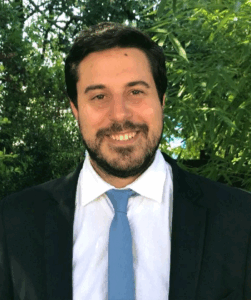
By Francisco Vila, Head of Programs at Arigatou International – Geneva
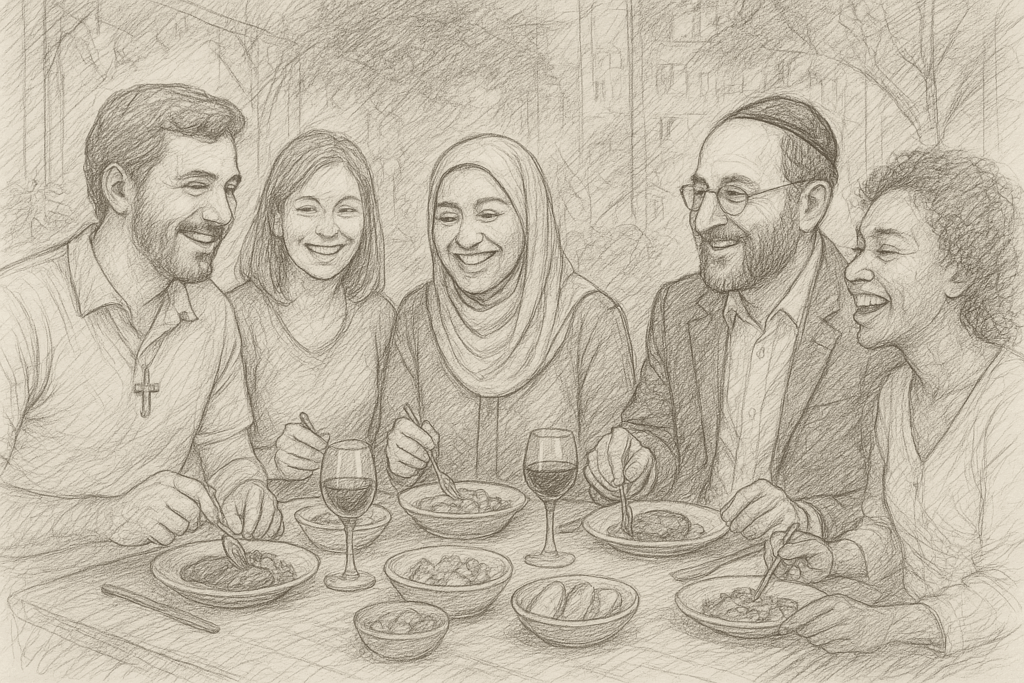
Several years ago, during an interreligious conflict transformation training workshop, I had a powerful experience that transformed my understanding of what it truly means to live together in peace. After one of the sessions, a group of us, Christians, Jews and Muslims, sat together for dinner. As we began to share stories about our religious customs, we quickly discovered that we had far more in common than we had imagined. That simple act of sharing a meal became the starting point of a deeper journey.
As we commemorate International Day of Living Together, we must recognize that, unfortunately, we live in a world fractured by conflict, inequality and indifference, marked by a troubling rise in polarization, discrimination and hate speech. A world in which protracted conflicts have reignited, and new ones continue to emerge. These crises tear apart communities and deeply affect our children across the globe. In this context, the International Day of Living Together in Peace invites us to reflect deeply on how we relate to one another and what kind of world we are building. Promoting peace today cannot rely merely on cooperation; it must be rooted in a profoundly human and spiritual commitment, one that is lived out through a genuine culture of encounter.
Living together in peace calls for more than simply promoting tolerance. It requires the courage to engage with those who are different from us, to learn from one another, and to build shared understanding. The Culture of Encounter, as envisioned by Pope Francis, is not a passive ideal but an active process of reaching across boundaries. It creates space for meaningful intercultural, interreligious and intergenerational dialogue, where we move beyond coexistence toward mutual transformation. In these encounters, we do not erase our differences but allow them to become sources of learning, empathy and growth. This kind of dialogue is essential in nurturing societies that are not only peaceful but also inclusive, just and deeply respectful of human rights.
This takes me back to that dinner where I experienced the power of such an encounter. Over time, the group built relationships strong enough to hold space for the more difficult conversations, including those about the conflict in the Middle East. What began with curiosity and openness grew into trust, and even today, as the conflict reaches new depths, we continue to walk together in our shared commitment to dialogue, understanding and peace.
As Nelson Mandela once said, “No one is born hating another person because of the colour of his skin, or his background, or his religion. People must learn to hate, and if they can learn to hate, they can be taught to love, for love comes more naturally to the human heart than its opposite.” That is why it is essential to promote ethics education with an interreligious and intercultural approach, one that creates spaces where children and young people can encounter one another across lines of difference. When they are given the opportunity to reflect on their values, learn about other worldviews, and engage with diverse perspectives in a safe and respectful environment, they begin to see others not as threats but as fellow human beings with hopes, fears and dignity. Ethics education fosters critical thinking, empathy and a sense of shared responsibility. It prepares the next generation not only to coexist but to collaborate, transforming diversity from a dividing line into a source of strength and unity.
The future of peace rests not on grand declarations alone, but on ordinary people choosing to live with extraordinary love. On this day, let us renew our commitment to live not just beside one another, but truly with one another. This means building relationships across religious and cultural differences, and working together to promote, through ethics education, a Culture of Encounter that builds a more peaceful and inclusive world. Yes, peace can begin with a great speech or a signed agreement. But sometimes… peace begins with a simple dinner.