



The Ethics Education Fellowship made its debut in Seychelles with a national Teacher Training Workshop, held from 20 to 24 February 2023, which brought together 20 primary and secondary school teachers. The program, endorsed by the President of Seychelles and approved by the Cabinet of Ministers, aims to extend its reach to over 450 children across 15 schools.

The Ethics Education Fellowship Program
The Fellowship Program is a collaborative initiative involving the ministries of education from Bangladesh, Indonesia, Kenya, Mauritius, Nepal, and Seychelles. The program seeks to enhance the sustainable implementation of ethics education programs in formal education settings, promoting intercultural and interreligious learning and dialogue, as a contribution to global citizenship, and building more inclusive and peaceful societies.
By building the capacities of educators in each participating country, the program equips them with the skills to design and facilitate transformative learning journeys for children. This approach places learners at the center of the educational experience, fostering critical thinking, ethical decision-making, and collaborative problem-solving to empower them to make positive contributions to their communities.
Ms. Diana Monthy, a Lecturer at the Seychelles Institute of Teacher Education and a Fellow of the program, highlighted the importance of ethics education for the country. Referring to the national Constitution’s preamble, she emphasized that the program presents a timely opportunity to assess the national commitment and progress in creating “a just, fraternal and humane society in a spirit of friendship and co-operation with all peoples of the world… and where Seychelles serve as an example of a harmonious multi-racial society.”
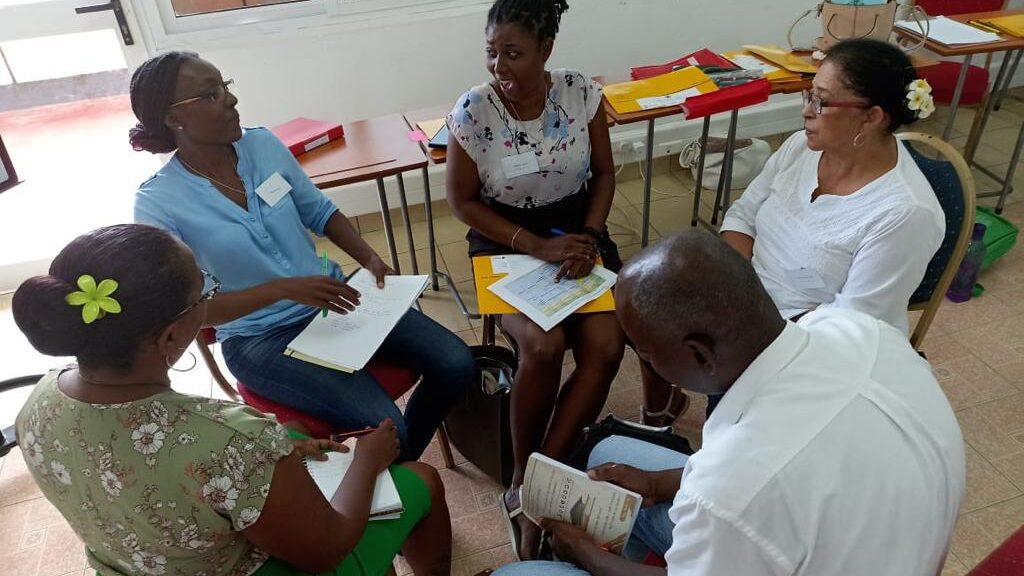
The Training Workshop for Teachers
Ms. Merna Eulentin, the Principal Secretary for Education of Seychelles, took the stage at the opening ceremony of the training workshop for teachers, setting the tone for the upcoming days. In her opening remarks, Ms. Eulentin emphasized the Government of Seychelles’ commitment to ethics education and its importance as a means to strengthen educational programs: “Ethics education is the focal point at this critical untimely topic, it is a means to strengthen education programs that foster ethical values in an inter-cultural learning context,” she said. She also highlighted how this initiative aligns with Sustainable Development Goal 4.7, promoting a culture of peace, global citizenship, non-violence, and appreciation of cultural diversity.
The event was attended by the Executive Director of the Office of the Minister of Education, members of the National Assembly, the Dean of the University of Seychelles, as well as students and teachers.
Facilitator Mr. Suchith Abeyewickreme from Arigatou International delivered a keynote address, emphasizing the necessity of ethics education in a world that is increasingly diverse and interconnected. Mr. Abeyewickreme highlighted the need to acknowledge and engage with the diversity within classrooms and among teachers, making it an essential aspect of education.
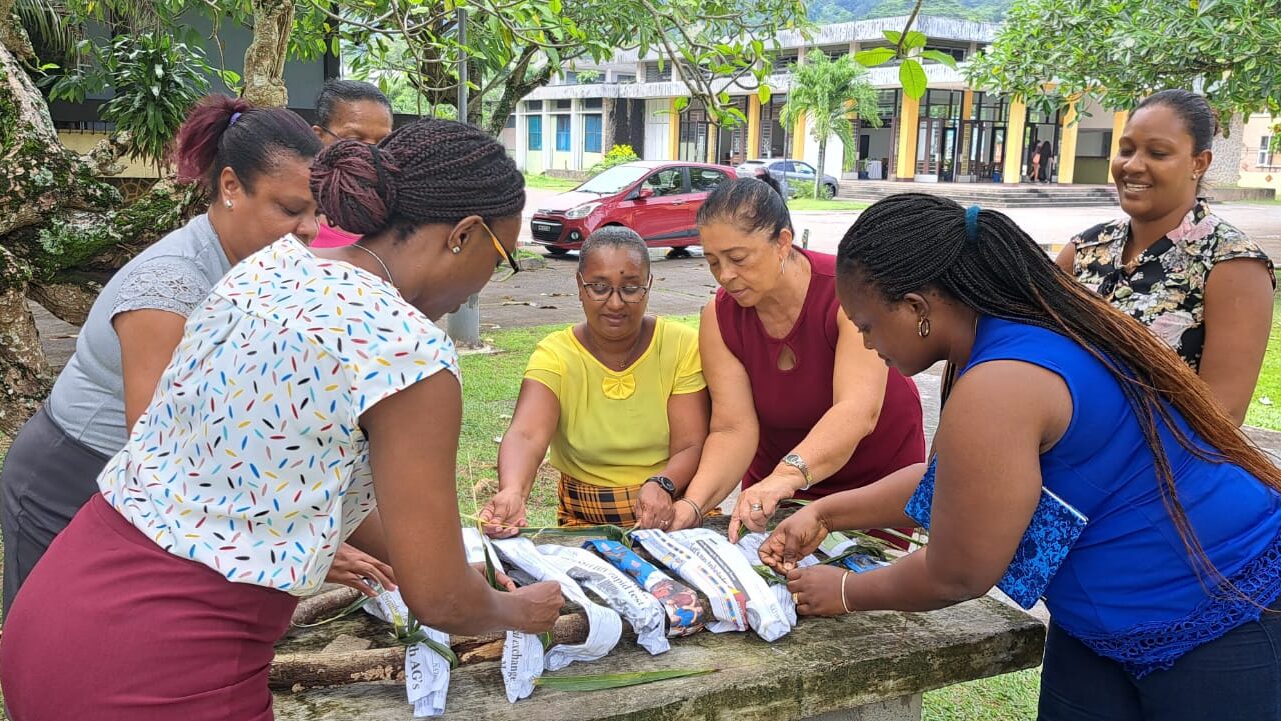
Hosted at the University of Seychelles, the workshop was led by the national team of fellows with support from Mr. Abeyewickreme. The participants consisted of school teachers specializing in Personal Social Education and Catholic Religious Education.
Throughout the five-day workshop, participants familiarized themselves with the Ethics Education framework presented in the program. The framework is centered around three pillars: relationships, ethical reflections, and collective action. This approach enables learners to develop positive relationships, engage in ethical reflection and dialogue, and enhance their ability to live together harmoniously. By cultivating these skills, the program aims to empower children to effect positive change within their communities, fostering their personal growth and contributing to their societies.
Reflecting on the workshop, one participant shared, “If I hadn’t attended this workshop on ethics education, I wouldn’t have noticed several things that I’m aware of now. This workshop has had a direct impact on me. I now find myself automatically thinking, reflecting, and seeing things differently.”

Launch of the Implementation in Schools
The Fellowship Program was officially launched in Seychelles on 31 March 2023 in a formal ceremony, marking the beginning of its implementation with children from local schools.
The ceremony started with an address from Dr. Justin Valentin, Minister of Education of Seychelles, delivered by Ms. Merna Eulentin, Principal Secretary for Educational Services, followed by Mrs. Vicky Michel, Secretary General of the Seychelles National Commission for UNESCO, and Ms. Maria Lucia Uribe, Executive Director of Arigatou International – Geneva.
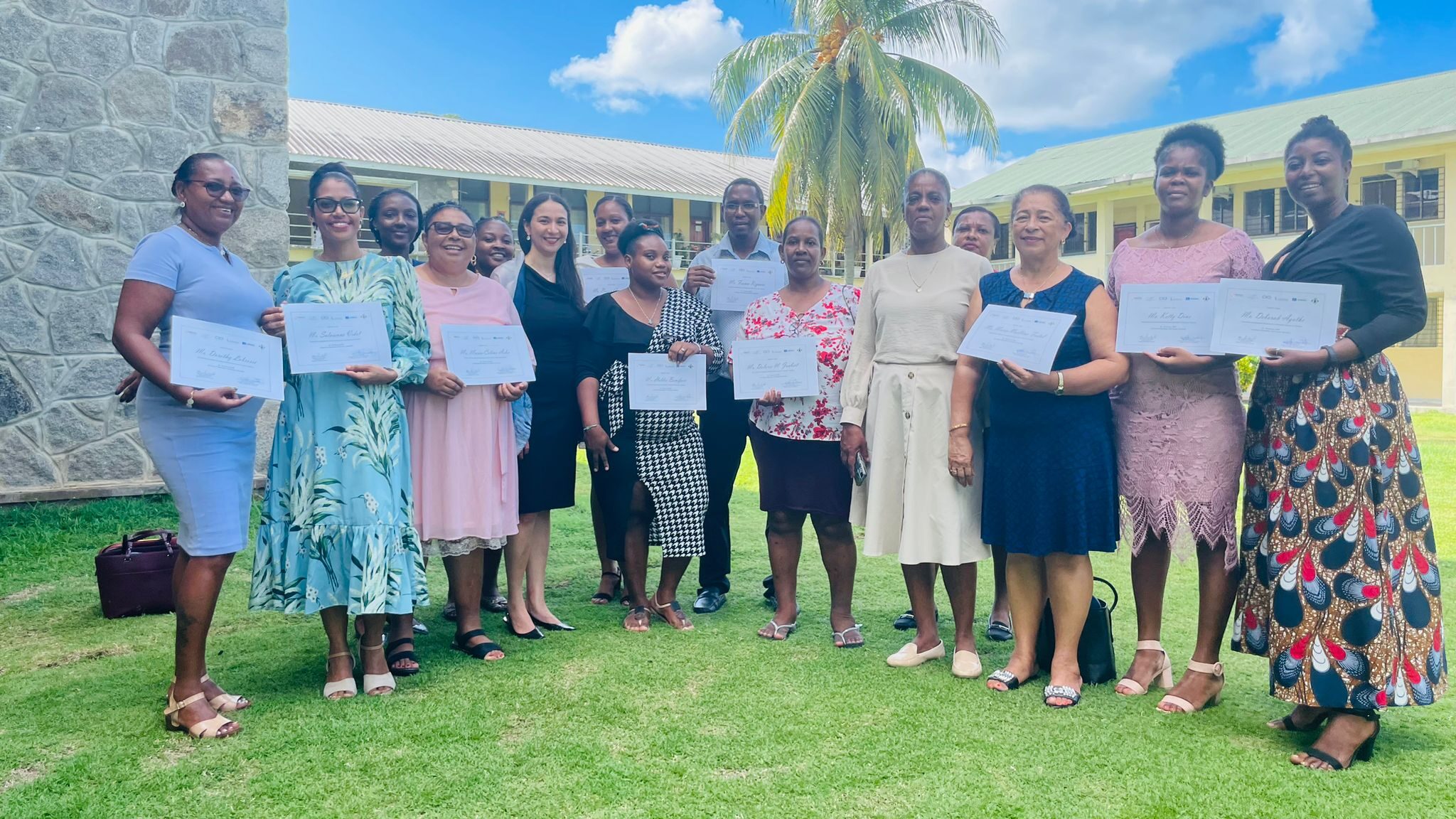
During the ceremony, the team of fellows presented the Ethics Education Fellowship highlighting its pillars and transformative pedagogical approach. Subsequently, certificates were awarded to the trained teachers.
Mr. Ahmed Afif, Vice President, and Mrs. Linda Ramkalawan, First Lady of the Republic of Seychelles, also attended the event. Artistic performances, including a song and a Creole dance performed by children, added to the celebratory atmosphere of the ceremony.
A Collaborative and Multistakeholder Journey
The Ethics Education Fellowship program is built on a fellowship model, with five representatives from each country collaborating to lead the national efforts. These representatives include educators and ministry officers who organize training workshops for teachers, monitor the successful implementation of ethics education programs for children, and advocate for the crucial role of ethics education at a national level.
Furthermore, the fellows have established a Global Community of Practice to foster collaboration, share experiences and work together for the expansion of the program.
The program is a collaboration between the ministries of education, together with Arigatou International, the Guerrand-Hermès Foundation for Peace, the KAICIID International Dialogue Centre, the Muslim Council of Elders, and UNESCO, represented by the UNESCO Regional Office for Eastern Africa and the UNESCO New Delhi Cluster Office. The process is supported by the National Commissions for UNESCO of Indonesia and Kenya.
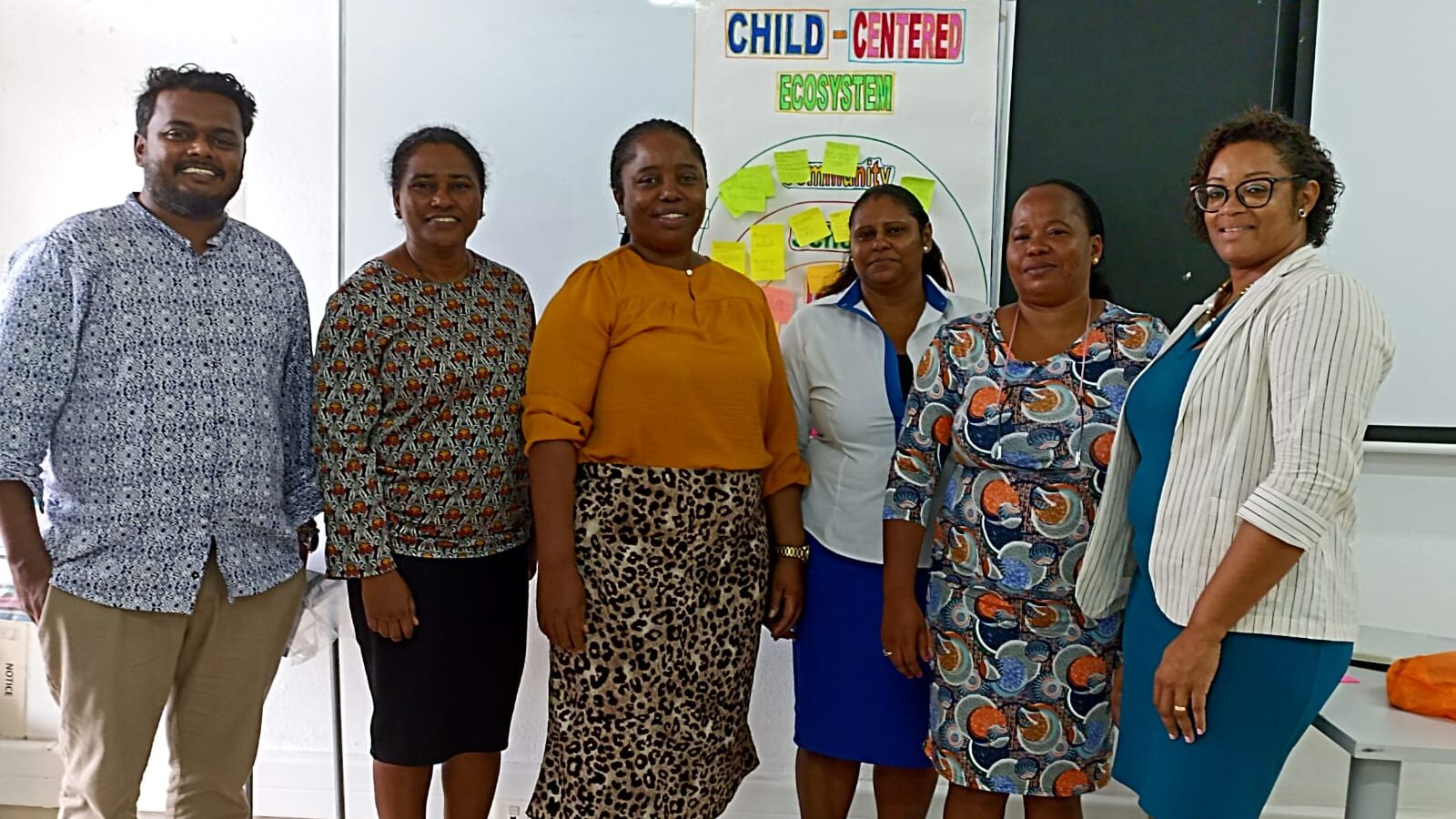
We extend our heartfelt appreciation to the dedicated fellows: Ms. Betty-Mai Sofa, Ms. Sharon Frederic, Ms. Diana Monthy, Ms. Sandra Jeanne and Ms. Erica Derjacques-Inacio. We thank them for their invaluable contribution in conducting this teacher training workshop. We would also like to express our sincere gratitude to the partners and organizations involved, whose collaboration and support have played a pivotal role in ensuring the sustainability of this program.
The post Empowering Educators in Seychelles: National Teacher Training Workshop by the Ethics Education Fellowship appeared first on Ethics Education for Children.


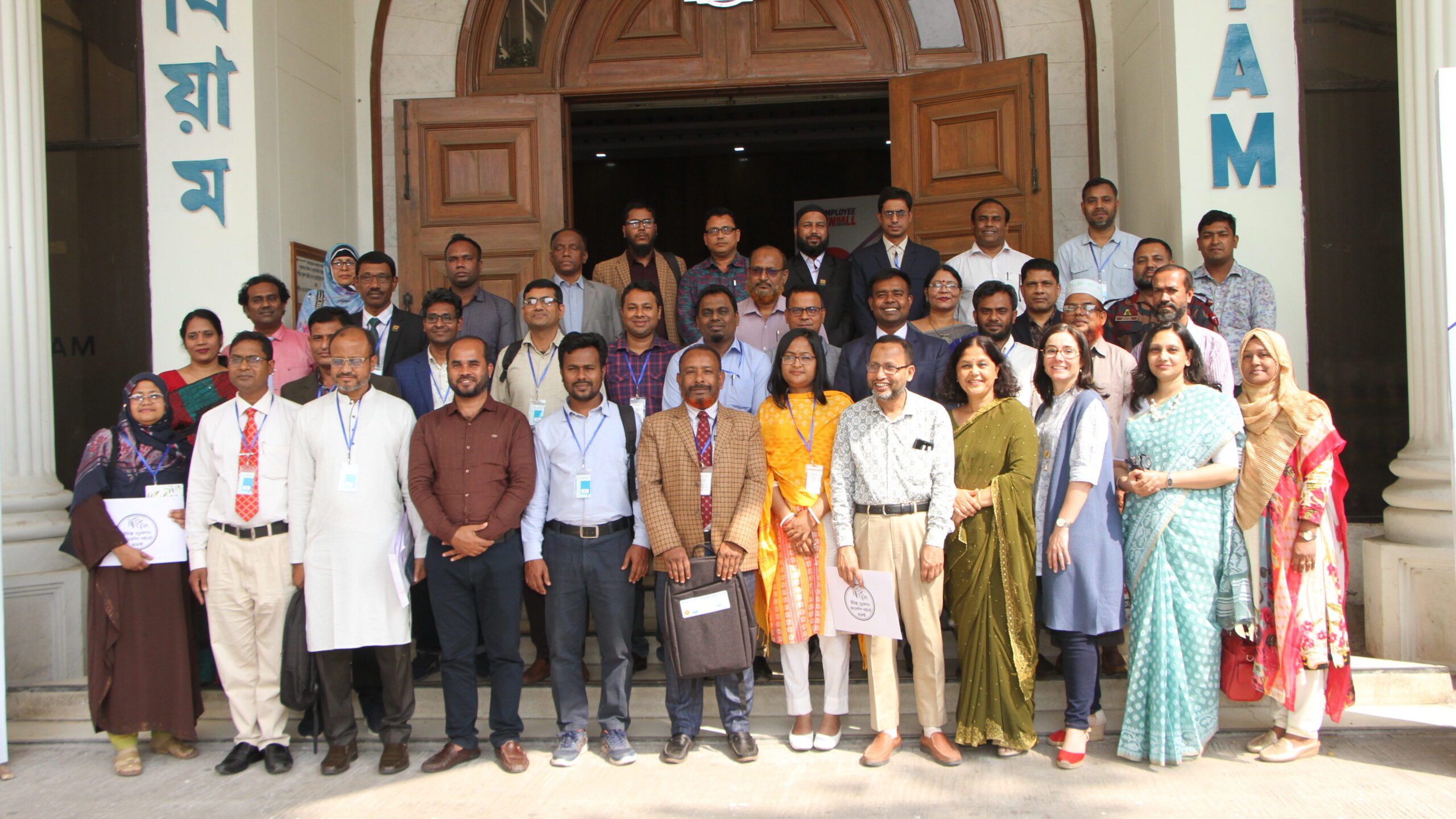
A group of 38 teachers from Bangladesh recently participated in a 5-day training workshop as part of the Ethics Education Fellowship program. The workshop aimed to equip these educators with the necessary skills to implement the program in 19 schools, benefiting approximately 1,200 children across the country.
The Ethics Education Fellowship program is a collaborative initiative between the governments of Bangladesh, Indonesia, Kenya, Mauritius, Nepal, and Seychelles. Its objective is to foster ethical values in children, promote global citizenship and build a more peaceful and inclusive society. The Directorate of Secondary and Higher Education – DSHE, under the Ministry of Education of Bangladesh, is responsible for coordinating the program in the country.
Program Launch in Bangladesh
On 22 January 2023, the Ethics Education Fellowship program was officially launched in the People’s Republic of Bangladesh. Dr. Dipu Moni, the Minister of Education of Bangladesh, participated in this occasion. In her keynote speech, Dr. Moni emphasized the crucial role of ethics education in transforming education, stating, “Ethics education is at the center of our planning. It is much more important to have ethics at the core of education than to focus solely on infrastructure, teacher training, books, and modern technologies.”
The launch ceremony also saw the participation of Mr. Mohibul Hassan Chowdhury, Deputy Minister; Mr. Suleman Khan, Secretary, Secondary and Higher Education Division, Ministry of Education; Prof. Nehal Ahmed, Director General, Directorate of Secondary and Higher Education; Ms. Susan Viz, Officer in Charge of UNESCO Bangladesh, representatives from partner organizations, as well as teachers and children.
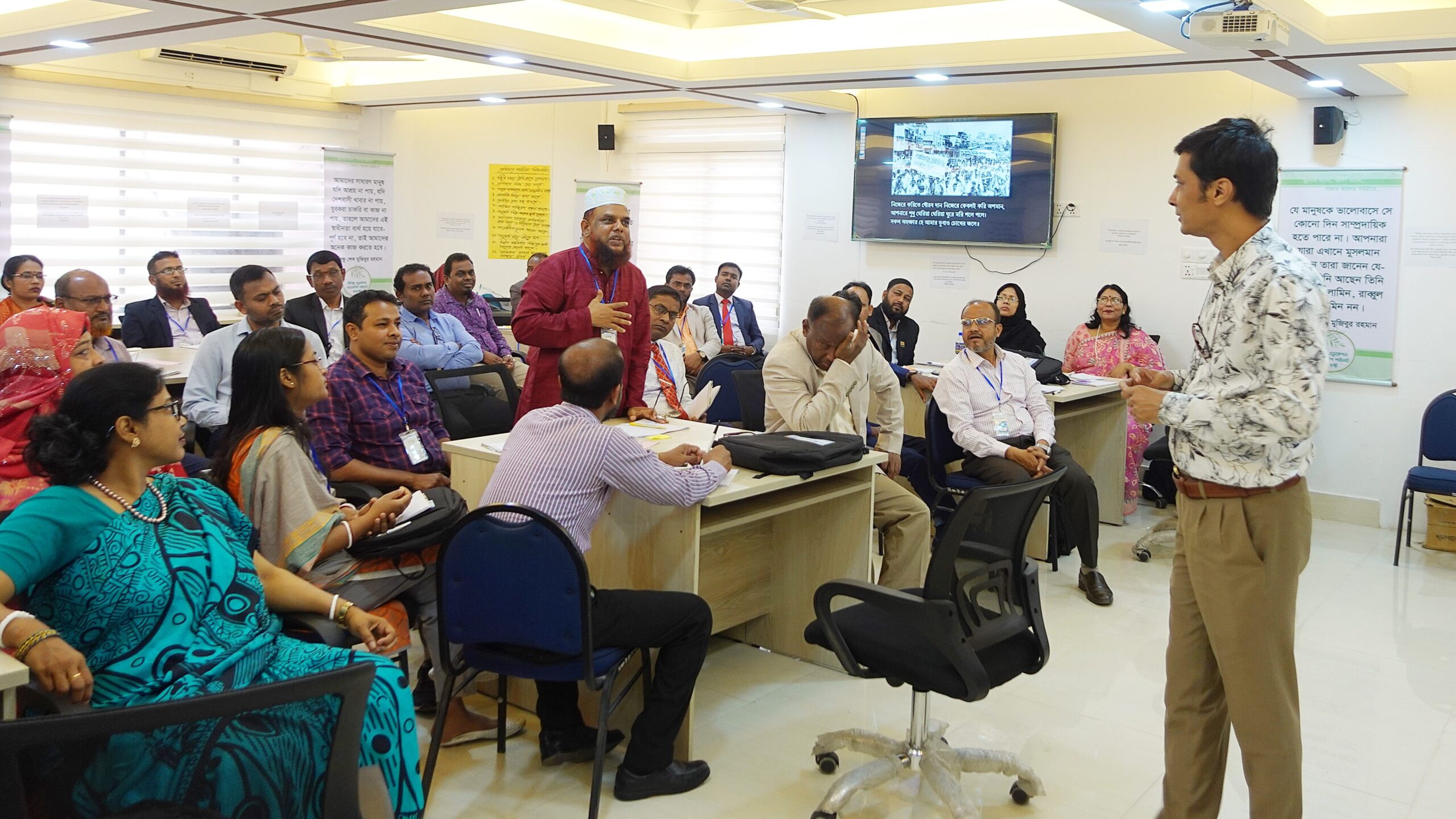
Training Workshop for Teachers
The training workshop for teachers took place from 22 to 26 February 2023. The local fellows, a group of five educators and ministry representatives, facilitated the workshop. The fellows play a pivotal role in leading the training, delivery, and advocacy efforts within the country.
Additionally, Ms. Eleonora Mura, Senior Expert on Monitoring, Evaluation, and Learning from Arigatou International, provided support and guidance to the fellows during the workshop.
The opening ceremony of the training workshop featured keynote speeches by Dr. Suleman Khan, Secretary for Secondary and Higher Education, and Mr. Md. Belayer Hossain Talukdar, Additional Secretary. They emphasized the importance of ethics education in fostering critical thinking, and positive relationships, and implementing Global Citizenship Education. They also highlighted how the ongoing curriculum reform in Bangladesh has integrated ethics as a vital component, which is being incorporated into grades 1 and 2, as well as 6 and 7.
During the workshop, participants explored the Ethics Education Conceptual Framework, centered around three pillars: Relationships, Ethical Reflection and Dialogue, and Collective Action. Ms. Amina Begum, Senior Teacher of Bengali at Biddamoye Govt. Girls School, shared her perspective, stating, “The concept of dialogue and a safe learning environment are very meaningful aspects that will help me prepare and implement ethics education with children.”
A Transformative Impact on Teachers
After completing the workshop, the trainees expressed how the transformative pedagogy approach presented in the program empowered them to critically question their assumptions and biases. They felt encouraged to examine the root causes of social injustices and take action to create a more just and equitable society. The teachers recognized their potential as powerful advocates for change within their schools and communities, driving improvements in education at all levels.
Mr. Joydip Dey, one of the program fellows, highlighted the significant benefits brought about by the program. He pointed out, “In our previous education system, there was a heavy emphasis on rote learning, resulting in students being fed pre-structured ideas. Unfortunately, this approach sometimes contributed to increased intolerance in society. However, with the introduction of the new curriculum, we are now prioritizing independent thinking among learners, which strongly aligns with the principles of ethics education. It is indeed a crucial time to implement ethics education in Bangladesh.” Mr. Dey is an Assistant Professor at the Government Teachers Training College in Dhaka and a member of the subject committee of the National Curriculum Framework.
The implementation of the program with children in schools began in March, yielding highly positive responses from teachers, with significant engagement observed among the participating children.
We extend our sincere appreciation to the dedicated fellows: Ms. Geetanjali Barua, Mr. S.M. Shafiul Alam, Mr. Zonayed Ahmed, Mr. Joydip Dey, and Dr. Syed Mizanur Rahman. We also thank all the individuals and organizations involved in the successful execution of the Ethics Education Fellowship program in Bangladesh, and the teachers for their commitment and enthusiasm.
The post The Ethics Education Fellowship Makes Strides in Bangladesh appeared first on Ethics Education for Children.
SÁBADO 10/6: ANULADA SALIDA DE OBSERVACIÓN A PUJALT
Os informamos que debido a las condiciones meteorológicas, la salida de observación a Pujalt ha sido CANCELADA.
El próximo sabado tendremos otra oportunidad.
image/jpg
Press Release N° 26–2023
La misión Euclid de la Agencia Espacial Europea (ESA) que explorará el universo oscuro, se lanzará en un cohete SpaceX Falcon 9 desde Cabo Cañaveral en Florida, EE. UU., no antes del 1 de julio de 2023.

image/jpg
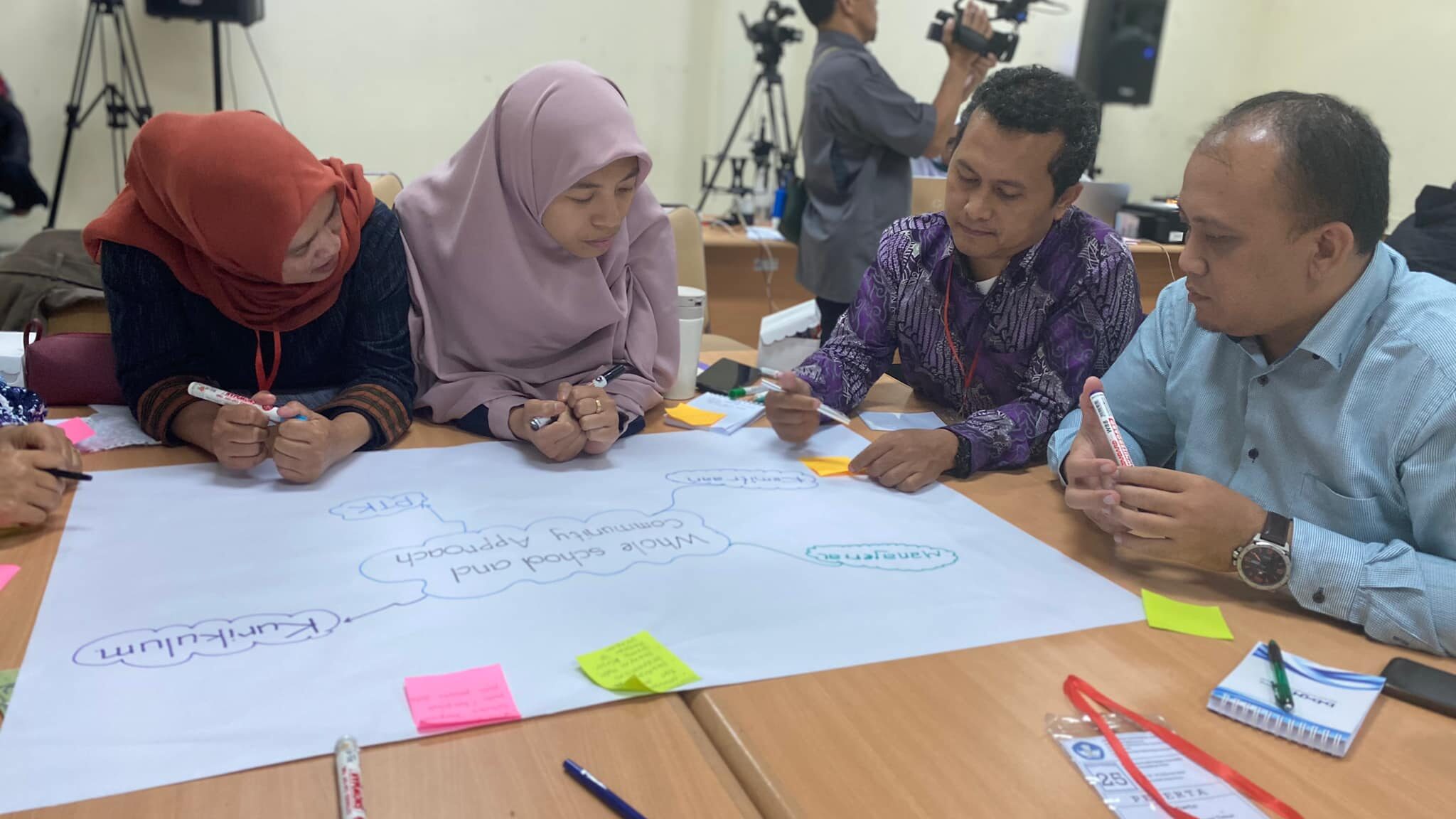
The training workshops for teachers under the Ethics Education Fellowship, concluded successfully in Indonesia, reaching 200 participants from five regions. The teachers received specialized training through engaging activities, equipping them with the necessary skills and knowledge to implement ethics education programs in their local schools. It is estimated that these teachers will reach 1,500 students by the end of 2023.
A Collaborative and Multistakeholder Journey
Designed to strengthen the sustainable delivery of ethics education programs for children, the Fellowship invites teachers to prepare and facilitate a learning journey for children. This approach helps learners to develop positive relationships with themselves and others, engage in ethical reflection and dialogue, enhance their ability to learn to live together and develop collective actions to make positive impacts in their communities.
The Ethics Education Fellowship is being carried out simultaneously and collaboratively in Bangladesh, Indonesia, Kenya, Mauritius, Nepal, and Seychelles. The program operates on a fellowship structure, where dedicated representatives from each country play a key role. These fellows lead the national efforts by organizing training workshops for teachers, ensuring the successful implementation of ethics education programs with children, and advocating for the importance of ethics education on a national scale. Furthermore, the fellows have established a Global Community of Practice to learn from each other, collaborate and support the expansion of the program.
This program is a collaborative effort involving Arigatou International, the Guerrand-Hermès Foundation for Peace, the KAICIID International Dialogue Centre, the Muslim Council of Elders, and UNESCO, which is represented by the UNESCO Regional Office for Eastern Africa and the UNESCO New Delhi Cluster Office. The process is supported by the National Commissions for UNESCO of Indonesia and Kenya. The program is being led in each country by the ministries of education, through the fellows, a group of educators and ministry officers, that were trained as teacher trainers back in October 2022.
Empowering Teachers through Training in Indonesia
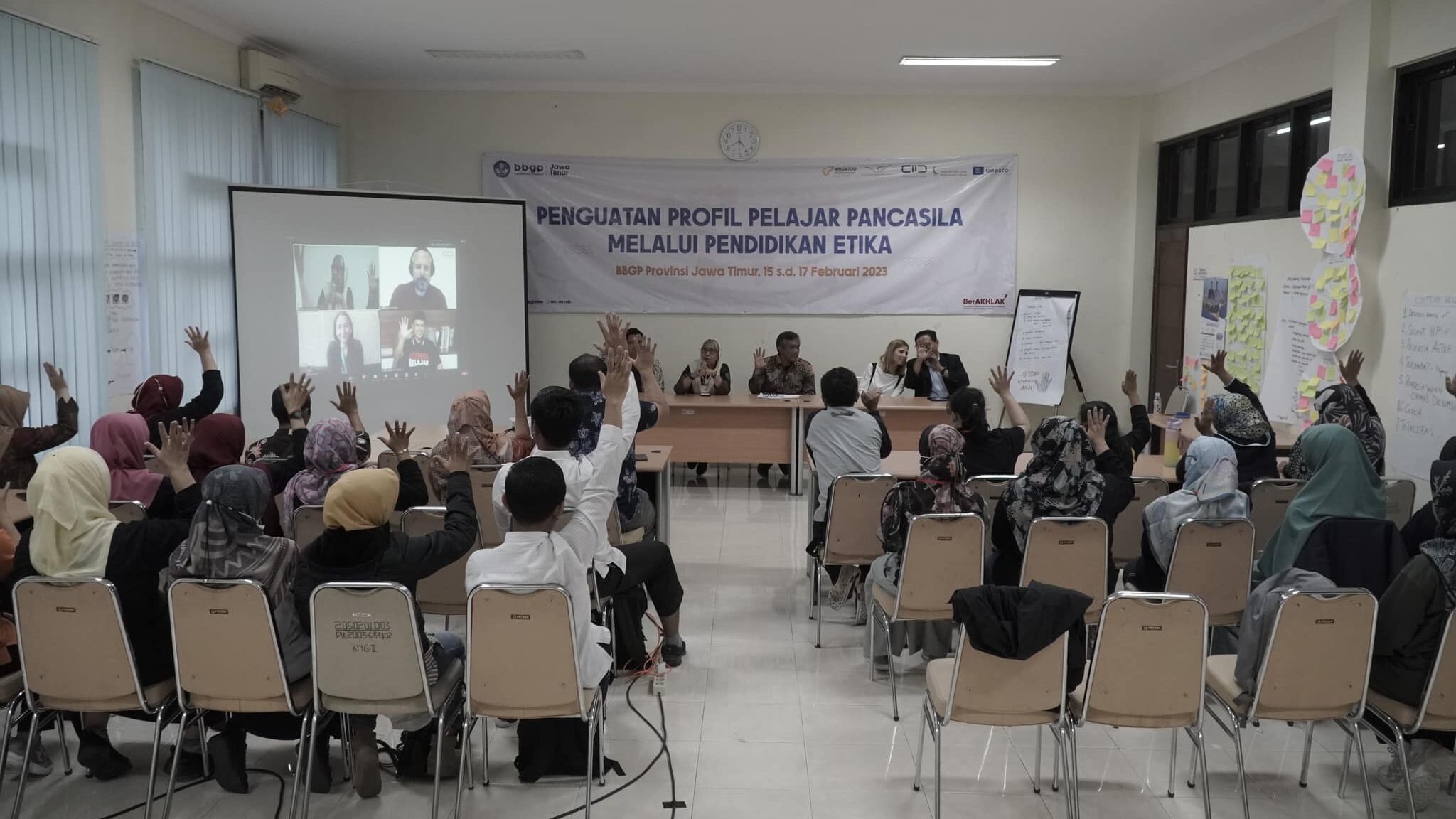
The training program for Indonesian teachers consisted of two phases. The first phase, a hybrid workshop held in Suravaya in February 2023, brought together 67 participants from various regions. Over three days, participants had the opportunity to share their experiences, discuss critical issues affecting learners, and explore the role of education in addressing these challenges. Key topics included discrimination, stereotypes, violence, and their impact on children’s lives in schools.
Participants explored the Ethics Education Conceptual Framework which is built around three pillars: Relationships, Ethical Reflection and Dialogue, and Collective Action. They reflected on what ethics means in their lives and their interactions with others, and on the ethical challenges they, the children and their communities face. While doing it, participants identified how ethics education programs can foster transformation in children by encouraging ethical reflections and engaging them in dialogue with others.
“The workshop provided extraordinary benefits to me personally. Now I better understand how an educator should be a role model for students, especially in the classroom,” said one of the teachers, while highlighting the importance of learning to respect each other, and accept our differences.
Teachers explored the alignment between the transformative pedagogy approach and the Pancasila principles of the Indonesian Constitution. They also recognized the critical significance of interreligious and intercultural dialogue and its practical implementation in the classroom.
Dr. Itje Chodidjah, Executive Chair of the Indonesian National Commission for UNESCO, Ministry of Education, Culture, Research and Technology, Indonesia, emphasized the relevance of the Fellowship during her opening remarks at the workshop. She highlighted the program’s connection to the Pancasila ideology and expressed her commitment to supporting the Fellowship at the national level.
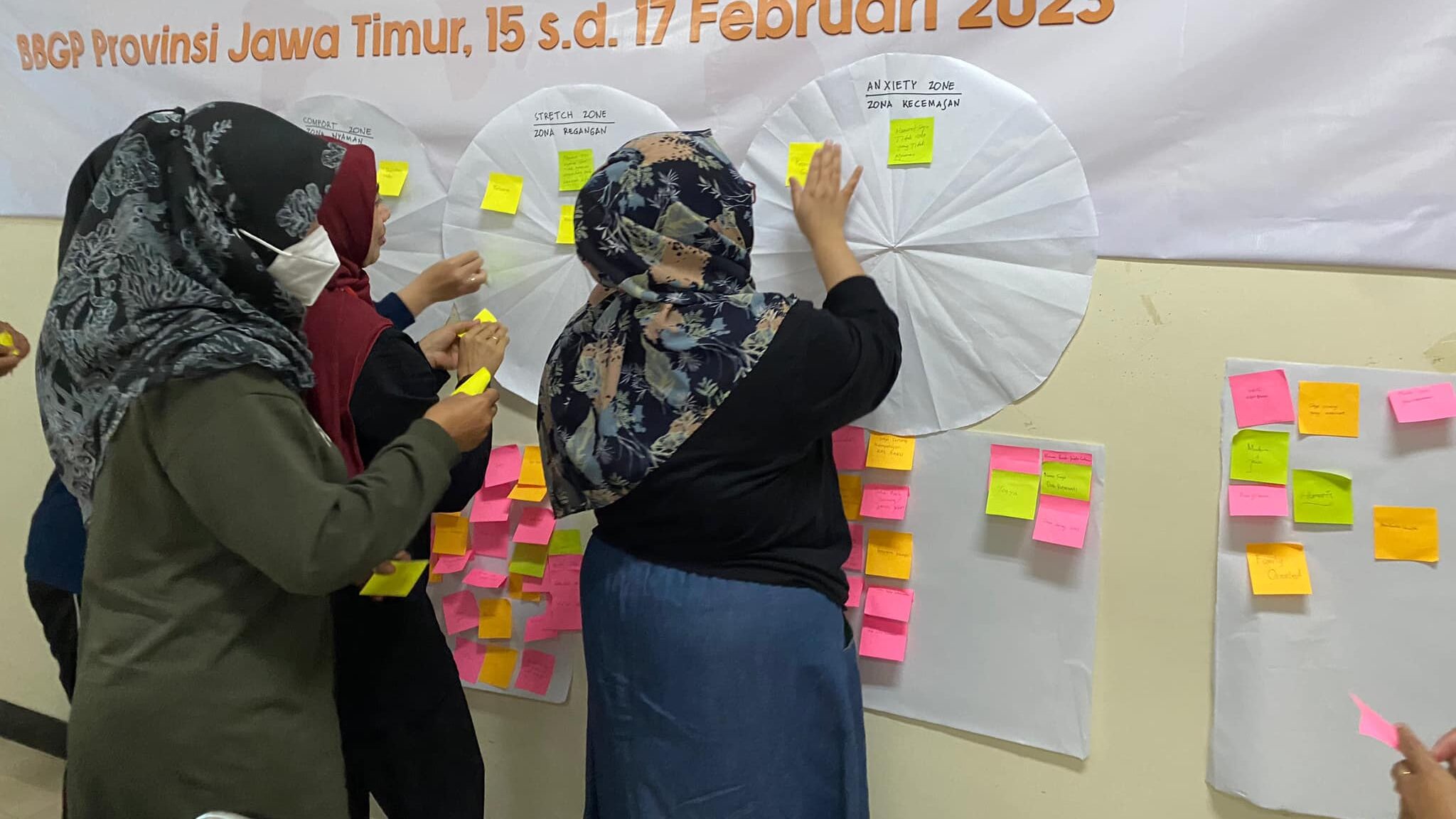
In May 2023, the second phase of the program took place with onsite workshops in five different regions: Sorong Regency, West Java, West Kalimantan, South Sukawesi, and East Java. These workshops focused on building teachers’ capacity to foster positive relationships and empower learners to create inclusive, respectful, and resilient societies. Teachers received guidance on implementing ethics education programs across various grade levels, from kindergarten to elementary, junior, and senior high school.
“For the Indonesian context, the workshop is very enriching because the experiences the teachers had is in line with their needs in the implementation of the Pancasila Students’ Profile Project. The workshop helped teachers understand more about ethics education, and more importantly, it enlightened them to make ethic education more visible and practical in their classroom,” shared Ms. Euis Lesmini Djuanda, School Principal and Fellow.
Looking Ahead
The trained teachers are now prepared to implement ethics education programs in their respective regions, positively influencing the lives of children in Indonesia. The Ethics Education Fellowship remains committed to its mission of nurturing global citizenship, building inclusive societies, and preparing students to tackle ethical challenges as active and responsible citizens.
Our gratitude goes to the fellows and all organizers who have supported the training program for teachers in Indonesia.
The post Indonesian Teachers Complete the Training Phase of the Ethics Education Fellowship Program appeared first on Ethics Education for Children.